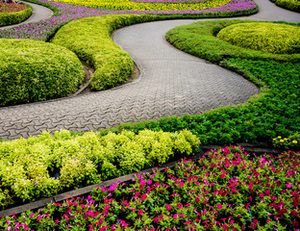
What to Expect From a Full-Service Landscaping Company

A full-service landscaping company will provide you with a proposal that is based on your budget. They will usually include mowing, fertilizing, a wide range of horticulture services like trimming shrubs and weeding landscape beds, and seasonal services like spring and fall cleanups.

Working with a single landscaping company is much more convenient and manageable than managing several different contractors that each offer a different service. Here’s what to expect when hiring a full Landscaping Services Honolulu HI.

Professional Planning

Landscaping

When you hire a full-service landscaper, they’ll provide professional planning to make sure your outdoor space is not only beautiful but functional. Whether you want to add a Koi pond or perennial garden, they’ll design a plan that fits your lifestyle and budget. They’ll also create an agreement that outlines scope of work, timelines and terms of payment. This will help prevent misunderstandings and extra charges down the road.

The best way to find out if the landscaping company you’re considering is reliable is to ask for references and review online reviews. You may even want to visit a jobsite where they are working. This will give you a firsthand look at their quality of work and whether they are attentive to customers.

A professional landscaper should have years of experience and be able to offer specialized knowledge. They should also be licensed and insured. This protects you if they cause damage to your property or one of their workers gets hurt while on the job.

Another important factor is the company’s local knowledge. They should be familiar with the region’s climate and soil conditions, which helps them choose plants that thrive in your area and will look their best over time. The last thing you want is to have a lush, vibrant yard that fails to thrive because of environmental factors beyond your control.

Having good communication with your landscaping company is essential for the entire project. Look for a firm that is quick to respond to your questions, and provides clear estimates and project milestones. A landscaper that’s difficult to communicate with or has a long history of dissatisfied clients should be a red flag.

A professional landscaper should also be able to provide you with a list of service options that they typically offer, and their cost for each option. They should explain how each service will benefit your property, and include an estimated timeframe for the work to be completed. This allows you to select the services that are right for your property, and will ensure that you don’t get overcharged for work that isn’t necessary.

Customization

Full-service landscaping firms offer a wide range of design, installation, and maintenance services that are customizable to your property. These experts will work closely with you to understand your aesthetic preferences and lifestyle needs. They’ll also use their extensive knowledge of local plants and materials to create a landscape that thrives throughout the seasons.

Unlike standalone service providers, full-service companies often have an entire team of dedicated professionals that collaborate on your project. This enables them to address challenges quickly and effectively, which ultimately leads to a better outcome. In addition, working with a single company for all of your lawn care and landscaping needs is almost always more cost-effective than hiring individual service providers.

A reputable full-service landscaping company will have established relationships with a wide variety of high-quality suppliers and vendors. This gives them access to a broad selection of premium plants, hardscape materials, and state-of-the-art irrigation systems. They can also source eco-friendly and sustainable materials to help you reduce your environmental impact and meet any budgetary requirements.

For example, if your property has sloping terrain and scenic vistas, a full-service landscaping firm will leverage their grading expertise to design terraced gardens that maximize usable space. They’ll incorporate elements like retaining walls and cascading water features to enhance your outdoor living spaces and capitalize on your property’s natural beauty.

These landscaping specialists will also be deeply familiar with the local climate and soil conditions, which is vital in ensuring your landscape will thrive over time. For instance, they’ll know what plants and materials will thrive in your region and how to maintain them with proper watering, fertilization, mulching, pruning, and mowing schedules.

Full-service landscaping companies also have the expertise to handle more complex projects, such as installing water features, paving stones, and fences. These experts can create a custom plan to improve your curb appeal, increase property value, boost privacy, and more. They’ll even recommend additional ways you can make your landscape more functional and enjoyable for your family or business.

High-Quality Products

Unlike’mow and go’ type companies that show up to simply mow your lawn and are quickly off to the next property on their route, full-service landscaping firms will use high-quality products and services like horticultural management, lawn care, and weed control to keep your landscape looking great. The team will also be familiar with local climate and soil conditions, allowing them to select plants that are best for your yard and region.

When shopping for a full-service landscaping company, be sure to choose one with years of experience and specialized knowledge in design, installation, and maintenance. Customer reviews, word-of-mouth recommendations, and professional certifications are all helpful indicators of a company’s reliability and expertise. For example, MAS Landscaping and Snow Removal has over 30 years of industry experience, providing an extensive array of knowledge to meet diverse needs, from soil types and unique property layouts to plant health and hardscape installation.

Regular Maintenance

A great-looking landscape requires a lot of work. Many homeowners find that keeping up with lawn mowing, weeding, mulching, pruning, and leaf removal is just too much of a burden. With full-service landscaping, you can kiss those yard duties goodbye. A good landscaper will take care of your entire yard to keep it looking its best year-round.

A landscaper will typically start with a site evaluation and measurement of your turf, garden beds, trees, shrubs, and other plants. This helps them develop a maintenance schedule that is tailored to your needs and budget. They will often include seasonal services like aerating the lawn in spring and fall, and debris cleanups. They will also regularly trim shrubs and bushes. This keeps them healthy and prevents them from becoming overgrown, which can block views, create privacy, and lower curb appeal. They will also often provide regular mulch installation and topdressing which helps with moisture retention, weed control, and soil health.

In addition, a full-service landscaper will often offer other landscape and hardscaping services. For example, they may install water features or patios. They might also add or remove decorative rock and mulch. They might even perform tree services like trimming, thinning, and removal. Finally, they can install retaining walls and walkways in masonry materials like stone and pavers.

The greatest benefit of working with a full-service landscaper is that they can usually handle all your outdoor maintenance needs under one contract. It saves you the hassle of calling a company to come fertilize, another for mowing, and yet a different one to help you with weeding your landscape beds.

A full-service landscape company is also more experienced than a company that only offers a-la-carte services. They have been in business for longer and have more experience managing a variety of landscape projects for clients in many different settings. Their experience means that they know how to deal with a wide range of issues, from climate changes and unique plant species to changing soil types and property layouts. They can quickly adapt to your specific needs and deliver a consistent level of service every time.

Visit our Professional Services Blogs

Smart Choice Plumbing And Air, Sanitize My Airducts, Bethesda Locksmith, Golden Coast Cleaners, Advanced Concrete Staining, Home Pool Cleaners, Brayhines Septic, Shaka Pool And Spa Cleaning,Mr Clean And Shine, Best Appliance Repair Long Beach, Gulf to Bay Water Remediation, Garage Door San Francisco, Richmond Flooring, Fence Builders Woodlands, Colorado Springs Auto, Fuel Frontlines, Expert 24 Option, Sacramento Roseville Real Estate, SLO Homes, Philadelphia Towing, State Powerwashing, Truck Tires Worldwide, Website Translation, Construction Company Farmington NM, Green Home Los Angeles, Trinity SEO Marketing, Electric Fireplaces, Argos Bookkeeping, Christopherson Drywall,Garage Door Installation, Missouri Personal Injury Lawyer Blog, Alvins Auto Body, Carpet Care Pros, Las Vegas Concrete, Clark Concrete Company, Deck Builders Missour City, Lechleitner Builders, Medical Health Insurance Policy, Royal Siding Windows, Carpet Steam Cleaners Review, Go Greeen Lawn Painting, Oakwood Skate Deck, Texas Home Remodeling And Painting, USA Home Repair Remodeling, Dream Home Remodeling Services, Brent Lawn Homes, Great Ernm Homes, Accelerated Orthodontic, Arctic Cooling And Heating, Baltimore Heating And Airconditioning

Creating a Healthy and Beautiful Lawn

A well-maintained lawn is more than just a patch of grass—it enhances the beauty of a property, provides space for recreation, and contributes to environmental health. From improving curb appeal to reducing soil erosion, lawns play an important role in both residential and commercial landscapes. Understanding proper lawn care, maintenance techniques, and seasonal strategies ensures a lush, healthy, and sustainable outdoor space.

lawns

The Importance of Lawn Care

A thriving lawn offers multiple benefits, making it worth the time and effort to maintain. Key advantages include:

  • Aesthetic appeal – A green, evenly trimmed lawn improves the overall appearance of a property and creates a welcoming environment.
  • Environmental benefits – Lawns help reduce soil erosion, filter pollutants, and improve air quality by absorbing carbon dioxide and releasing oxygen.
  • Temperature regulation – Grass surfaces can cool surrounding areas, reducing heat in urban environments.
  • Recreational space – Lawns provide safe, comfortable areas for activities, relaxation, and social gatherings.
  • Property value – Well-maintained landscapes can enhance property value and create a positive first impression.

Maintaining a lawn requires knowledge of grass types, soil conditions, and effective care techniques, all of which contribute to long-term health and visual appeal.

Choosing the Right Grass

The foundation of a healthy lawn begins with selecting the appropriate grass variety for your climate, soil, and intended use. Common types include:

  • Cool-season grasses – Ideal for regions with moderate summers and cold winters, these grasses grow actively in spring and fall. Examples include fescue, bluegrass, and ryegrass.
  • Warm-season grasses – Thriving in hot climates, warm-season grasses grow rapidly in summer and become dormant during winter. Examples include Bermuda, Zoysia, and St. Augustine grass.
  • Hybrid grasses – Some lawns combine varieties to take advantage of strengths such as drought resistance, color retention, and durability.

Choosing the right grass ensures optimal growth, appearance, and resilience against pests, disease, and environmental stress.

Soil Preparation and Fertilization

Healthy grass starts with healthy soil. Proper preparation and nutrition are essential for strong root systems and vibrant growth. Steps include:

  • Soil testing – Determine pH levels, nutrient content, and soil texture to guide fertilization and amendment strategies.
  • Aeration – Perforating the soil helps reduce compaction, improves water and nutrient absorption, and encourages root growth.
  • Fertilization – Apply fertilizers with the right balance of nitrogen, phosphorus, and potassium based on soil needs. Slow-release fertilizers provide steady nutrients over time.
  • Organic amendments – Incorporating compost or mulch enhances soil structure, moisture retention, and microbial activity.

Regularly maintaining soil health ensures a strong, resilient lawn capable of thriving in various conditions.

Watering Techniques

Watering is a critical component of lawn care. Proper watering techniques promote deep root growth and prevent disease. Best practices include:

  • Deep, infrequent watering – Encourages roots to grow downward, creating a drought-resistant lawn.
  • Early morning watering – Reduces evaporation and allows grass blades to dry during the day, minimizing fungal growth.
  • Avoid overwatering – Excess water can lead to root rot, nutrient leaching, and increased weed growth.
  • Adjusting for climate and season – Watering frequency and volume should change with weather patterns and seasonal conditions.

Efficient watering practices conserve resources while maintaining a healthy and attractive lawn.

Mowing and Lawn Maintenance

Regular mowing is essential for a lush, uniform lawn. Mowing practices influence grass growth, density, and overall appearance. Key tips include:

  • Proper height – Maintain grass at the recommended height for the specific variety. Cutting too short can stress the lawn, while letting it grow too long may encourage weeds.
  • Sharp blades – Dull mower blades tear grass, leading to brown tips and vulnerability to disease.
  • Mowing frequency – Mow consistently during the growing season, removing no more than one-third of the grass height at a time.
  • Mulching clippings – Leaving clippings on the lawn recycles nutrients back into the soil.

In addition to mowing, lawn maintenance includes weed control, pest management, and disease prevention to ensure overall health.

Weed and Pest Control

Weeds and pests can compromise the beauty and vitality of a lawn. Effective management involves prevention, monitoring, and treatment:

  • Pre-emergent herbicides – Prevent weed seeds from germinating during key growth periods.
  • Spot treatment – Apply herbicides selectively to minimize impact on grass and the environment.
  • Pest monitoring – Identify signs of insect infestations, such as brown patches or chewed blades, and take appropriate measures.
  • Integrated pest management – Combine cultural, mechanical, and chemical strategies to reduce pest impact sustainably.

Proactive weed and pest control preserves the integrity and visual appeal of the lawn.

Seasonal Lawn Care

Different seasons require unique approaches to lawn care:

  • Spring – Focus on aeration, fertilization, and overseeding to recover from winter dormancy.
  • Summer – Emphasize proper watering, mowing, and pest control to withstand heat stress.
  • Fall – Apply fertilizers rich in potassium to strengthen roots and prepare for winter. Rake leaves and remove debris to prevent mold and fungal issues.
  • Winter – Limit traffic on dormant grass and protect against ice and snow damage.

Seasonal attention ensures a healthy lawn year-round, ready to thrive in all conditions.

Sustainable Lawn Practices

Modern lawn care emphasizes sustainability and environmental responsibility. Strategies include:

  • Reduced chemical use – Minimize fertilizers and pesticides by relying on organic alternatives and proper maintenance techniques.
  • Native and drought-tolerant grasses – Use grass varieties adapted to local climates, requiring less water and care.
  • Composting and mulching – Recycle yard waste to enhance soil health and reduce waste.
  • Water conservation – Implement efficient irrigation systems and rainwater collection to minimize resource use.

Sustainable practices support environmental health while maintaining a vibrant and functional lawn.

A healthy, well-maintained lawn adds beauty, functionality, and value to any property. By selecting the right grass, maintaining soil health, following proper watering and mowing practices, and managing weeds and pests, homeowners can enjoy a lush outdoor space year-round.

Understanding seasonal care and adopting sustainable practices further enhances lawn health while conserving resources. Whether for relaxation, recreation, or aesthetics, investing in proper lawn care ensures a green, thriving landscape that benefits both the home and the environment. With attention and consistency, a beautiful lawn becomes a source of pride, enjoyment, and long-term value for any property owner.

Visit our Professional Services Blogs

Chris Atkins Lawncare, Atticus Landscaping, Treasure Coast Pressure Wash, Gulf Beach Plumbing, Marlborough Plumbing, Guns And Hoses Pressure Washing, Ambrose Construction, Coral Gables Pressure Washing, Willco Photography, Roofing Akron, Danalogsdon Roofing El Cajon, EC Siding Roofing Windows, Aurora Gutter, American Insurance Source, ECO, etdn, Denison Service League,  Roofing Blog, Atlantic Vinyl Windows, Brookshires Fireplaces, JD Advanced Remodeling, Product Judgment, Master Dry Foundation Repair, Moe’s Hip, Elta Patio Paramount, Rock Around The Clock Festival, Learn, Play, Beyond, MoralesT Gardening, Car Window Tinting Perth, Duncan Carpentry, Gatestone Lighting, Mid Missouri Mold Inspections, Stucco Repair Albuquerque, Wausau Siding Hire, Munster Tree Care, Blue Granite Homes, Custom House, CENTRAL OS, Atlanta Pavers, Phillips Law Firm, Brent Ryder MasonryWalker Construction Drywall Division, RJ Law, Caledon Plumbing, DDS Tech USA, Maine Mortgage Services, Inckpen, Seasons at Rose Creek, Cottonwood Place Dental, Cosmetic Laser 2000 

Pressed Floral Art: A Timeless Way to Preserve Flowers and Create Meaningful Décor

Pressed Floral Art

Pressed Floral Art is a beautiful and enduring way to preserve flowers while transforming them into lasting works of art. This creative practice combines nature, craftsmanship, and storytelling, allowing blooms to live on long after their fresh form has faded. From delicate botanical prints to custom memory pieces, pressed floral art has grown in popularity as people seek meaningful, natural décor and personalized artwork.

Understanding what pressed floral art is and how it is created highlights why it continues to be valued across generations.

What Is Pressed Floral Art

Pressed floral art involves preserving flowers and plants by flattening and drying them, then arranging them into artistic compositions. The pressing process removes moisture while maintaining the flower’s shape, color, and detail as much as possible. Once pressed, the flowers can be used in framed artwork, stationery, keepsakes, or decorative installations.

Unlike artificial floral art, pressed floral art uses real botanical elements. Each piece is unique because no two flowers are exactly the same. This authenticity adds character and depth to the finished design, making each artwork one of a kind.

Pressed floral art captures a moment in time, preserving nature in a form that can be appreciated for years.

The History and Tradition of Pressed Flowers

Pressed flowers have a long history that dates back centuries. Historically, people pressed flowers to study botany, document plant species, and create herbariums. Over time, the practice evolved into an artistic expression.

In earlier eras, pressed flowers were often kept in books or albums as personal mementos. They were used to remember travels, gardens, or special moments. This tradition laid the foundation for modern pressed floral art.

Today, pressed floral art blends this historical practice with contemporary design, creating pieces that feel both timeless and modern.

The Process of Creating Pressed Floral Art

Creating pressed floral art begins with selecting the right flowers. Not all flowers press equally well. Florists and artists choose blooms with flat shapes, thin petals, or interesting textures that hold up during pressing.

The pressing process involves placing flowers between absorbent materials and applying even pressure. This can take several weeks, depending on the flower type and method used. Patience is essential to ensure the flowers dry completely without molding.

Once pressed, the flowers are carefully arranged into a design. Artists consider composition, balance, and color harmony before securing the flowers in place. The finished piece is typically framed behind glass to protect it from dust and damage.

Artistic Styles in Pressed Floral Art

Pressed floral art comes in a wide range of styles. Some designs are minimalist, featuring a single flower or simple arrangement on a neutral background. Others are more elaborate, incorporating multiple flowers, leaves, and layered compositions.

Botanical style pressed floral art focuses on accuracy and detail, often labeling plant species or highlighting natural forms. Decorative styles emphasize aesthetic appeal, using flowers to create patterns, shapes, or abstract designs.

Custom pressed floral art often reflects personal stories, incorporating meaningful blooms and thoughtful layouts that evoke emotion.

Pressed Floral Art for Home Décor

Pressed floral art is a popular choice for home décor because of its natural beauty and versatility. Framed botanical pieces add warmth and elegance to living rooms, bedrooms, and hallways. They work well in both traditional and modern interiors.

The subtle colors and organic forms of pressed flowers create a calming atmosphere. Unlike fresh flowers, pressed floral art requires no maintenance and remains visually consistent over time.

Home décor pieces can be styled individually or as gallery walls, offering flexibility in design and placement.

Pressed Floral Art for Weddings and Special Occasions

Weddings are one of the most meaningful applications of pressed floral art. Many couples choose to preserve their wedding bouquet or ceremony flowers as pressed art. This transforms fleeting blooms into lasting keepsakes.

Pressed floral wedding art often includes flowers from the bouquet arranged alongside details such as names, dates, or vows. These pieces serve as personal reminders of the celebration and are often displayed prominently in the home.

Pressed floral art is also used for anniversaries, memorials, and other milestone events, offering a way to preserve emotion and memory through nature.

Emotional Value of Pressed Floral Art

One of the most powerful aspects of pressed floral art is its emotional significance. Flowers are often tied to meaningful moments, relationships, and experiences. Preserving them allows those emotions to be revisited over time.

Pressed floral art can honor loved ones, celebrate achievements, or mark important transitions. The tangible presence of real flowers adds depth to these memories.

This emotional connection is what sets pressed floral art apart from mass produced décor.

Sustainability and Natural Beauty

Pressed floral art aligns well with sustainable design values. By preserving real flowers, artists extend the life of natural materials rather than discarding them after a short period. Many artists also use eco friendly papers and frames.

Seasonal and locally sourced flowers are often used, reducing environmental impact. Pressed floral art encourages appreciation for nature’s cycles and beauty.

This sustainability aspect resonates with individuals seeking mindful and responsible décor options.

Customization and Personalization Options

Customization is a key feature of pressed floral art. Artists work closely with clients to incorporate specific flowers, colors, and layouts. Personal text, dates, or meaningful phrases can be added to enhance the design.

Custom pieces may include flowers from significant moments such as weddings, funerals, or anniversaries. This personalization ensures each artwork is unique and deeply meaningful.

The ability to tailor pressed floral art makes it an ideal choice for gifts and keepsakes.

Preservation and Care of Pressed Floral Art

Proper care ensures pressed floral art remains beautiful over time. Framing behind glass protects flowers from dust and humidity. UV protective glass helps prevent fading from sunlight.

Pressed floral art should be displayed away from direct sunlight and excessive moisture. With proper care, these pieces can last for many years while maintaining their detail and charm.

Understanding care requirements helps preserve both the artwork and its meaning.

Pressed Floral Art as a Gift

Pressed floral art makes a thoughtful and unique gift. Unlike traditional presents, it offers emotional value and lasting beauty. Custom pressed floral pieces are often given for weddings, anniversaries, birthdays, or memorials.

Gifting pressed floral art shows intention and care. It reflects thoughtfulness in preserving a moment or sentiment.

These gifts often become cherished heirlooms passed down through generations.

Modern Trends in Pressed Floral Art

Modern pressed floral art continues to evolve. Contemporary designs may feature bold compositions, mixed media elements, or unconventional framing styles. Some artists combine pressed flowers with illustration or typography.

Minimalist trends emphasize clean lines and negative space, while maximalist styles embrace dense floral arrangements. Digital customization also allows for innovative layouts and presentation.

These trends keep pressed floral art fresh while honoring its traditional roots.

The Craftsmanship Behind Pressed Floral Art

Creating pressed floral art requires skill, patience, and attention to detail. Each step, from pressing to arrangement, demands care. Artists must understand how flowers behave during drying and how to handle them delicately.

Craftsmanship ensures the final piece is both durable and visually appealing. This dedication elevates pressed floral art from a simple craft to a refined art form.

The handcrafted nature of each piece adds to its value and authenticity.

Choosing Pressed Floral Art for Your Space

Choosing pressed floral art involves considering personal style, space, and emotional connection. Neutral designs blend seamlessly into most interiors, while bold compositions make striking statements.

Understanding the story behind the flowers enhances appreciation of the artwork. Whether chosen for décor or sentiment, pressed floral art brings nature indoors in a meaningful way.

Selecting the right piece creates a lasting connection between art and environment.

Final Thoughts on Pressed Floral Art

Pressed floral art offers a timeless way to preserve flowers and transform them into lasting expressions of beauty and meaning. By combining natural elements with thoughtful design, it creates artwork that resonates emotionally and visually.

Whether used for home décor, weddings, or personal keepsakes, pressed floral art celebrates moments that matter. Its blend of tradition, sustainability, and creativity ensures it remains a cherished art form that continues to inspire and connect people to nature and memory.

Navigation