Author: Karl Bentley

Creating Privacy in Your Yard – Natural Screening Solutions

The right landscape design can provide a number of natural privacy screening solutions. Densely planted trees, shrubs and hedges provide barriers that block views and sound.

Evergreens like arborvitae and boxwood offer year-round seclusion, while fast-growing trees like lilac and ornamental grasses add texture and color. Consider your budget and maintenance needs as you decide which backyard privacy idea is right for you. Contact your local Lawn Care Cape Girardeau pros for more details.

Living Walls
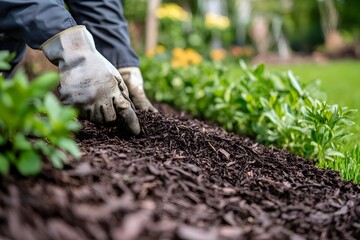
lawn care

Using plants to create privacy in the garden can be a wonderful alternative to traditional fencing and wall solutions. Plants add beauty, texture, and wildlife value while preventing unwanted views from intruders. Additionally, plant-based privacy screens are adaptable and can be scaled to fit the setting and size of your garden. From tall hedges to vertical gardens on trellises, there are many ways to use plant-based privacy in your yard.

Plants with fast-growing foliage are great options for creating a privacy screen quickly. Evergreens like arborvitae, holly, and privet provide dense coverage all year round. Mixing trees, shrubs, and flowering perennials provides a diverse plant palette that adds color and interest to your backyard. It’s also important to choose species that are adapted to your climate zone, as these plants will be more resilient in the long term.

If you have a small budget, consider using recycled materials to build your privacy barrier. Repurposed wood pallets and wine barrels can provide a unique screen that reflects your personal style, while promoting sustainability.

Another way to achieve a beautiful and natural privacy screen is by incorporating vines on a trellis. HGTV host Dan Faires uses ivy and jasmine on his deck to create a privacy screen, while keeping the space open for social interaction. In addition to adding color and a lush aesthetic, vines offer additional benefits like reducing noise and providing shade.

In urban settings, green walls have the potential to transform streets into vibrant and active spaces. They can become landmarks that help people orient themselves in the city and promote footfall which can contribute to the local economy. Additionally, they have the ability to reduce the amount of energy used by buildings, improving their sustainability (Charoenkit and Yiemwattana 2017).

There are many benefits to implementing Living walls at streetscape level. The most significant benefit is the environmental impact of reducing carbon dioxide emissions and improving air quality. Furthermore, they can increase pedestrian activity and create a sense of safety for citizens. In addition, they can act as a marketing tool for businesses by building brand awareness and increasing their reputation.

Privacy Hedge

Whether you live in a busy suburb or a spacious rural area, your backyard should feel like your own private retreat. Privacy hedges are an affordable way to create natural barriers that block unwanted views, muffle street noise and shield your home from wind and strong weather conditions. In addition, privacy hedges can add depth, greenery and texture to your yard while enhancing the beauty of your landscape.

When choosing a hedge plant, consider its mature height, growth rate and foliage density to ensure it will provide the level of privacy you desire. Evergreen plants like privet and arborvitae make an effective choice for a permanent privacy screen, but you can also use flowering shrubs to bring seasonal color and fragrance to your yard. For example, the fast-growing forsythia offers vibrant yellow blooms in spring and grows well in most climates. The hydrangea and ninebark shrubs are hardy species that offer year-round privacy and add color to the landscape, while the reddish-purple leaves of the hopseed bush are a striking accent in any garden.

Another important consideration when choosing a hedge plant is its resilience to disease and insect damage. Hedges that are not properly treated and cared for can become vulnerable to pests, which not only can wreak havoc on the surrounding plants, but can kill the hedge as well. To help your hedge thrive, treat it regularly with a liquid fertilizer and spray it with an organic repellent to keep insects away.

In addition to protecting your home from the elements and unwanted views, a hedge provides many other benefits, including a natural sound barrier that reduces noise pollution and makes outdoor living more enjoyable. The right combination of trees, hedges and other landscape solutions can make your backyard a personal oasis, where you can relax and enjoy the peace and quiet of nature.

If you are ready to transform your outdoor space with a privacy hedge, contact us today for expert advice. We can help you design the perfect solution for your needs and select the best plant species to achieve your goals.

Wood Fences

Wood fences offer a classic look that blends well with many architectural styles and offers a sense of permanence in a yard. Whether used as a privacy screen or a boundary marker, wood fences create a defined space that can help keep children and pets safe from strangers or traffic, while still allowing for a private, relaxing setting.

Wood fence styles can range from traditional pickets to lattice fencing. The best choice for your needs depends on your property’s aesthetic, the amount of privacy you want, and your budget. Cedar, redwood, cypress, and pine are common choices for wood fences. Each has its own benefits, including durability, longevity, and cost.

While they can provide a good level of privacy, wood fences have some drawbacks that homeowners should consider. They are vulnerable to moisture, rot, and insect damage, making them more likely to require regular maintenance than other fencing options. Choosing the right type of wood and staining it regularly can prevent these issues.

A well-placed water element, such as a pond or fountain, can also add privacy while reducing noise pollution. This natural barrier also helps to attract pollinators and adds beauty to a yard.

Using trees, shrubs, and hedges as a privacy screen can be an effective solution for a backyard retreat that feels intimate and comfortable without feeling too fenced in. The key is to choose a variety of species with different heights, maturation rates, and foliage density. This layered approach ensures that your privacy screen will remain resilient and provides year-round coverage.

In addition to being an attractive option for backyard privacy, trees, hedges, and shrubs can be a versatile way to add curb appeal to your home. Planting them in a zigzag or offset pattern can give your home character and add interest to the landscape. Staggering plantings with evergreen plants and deciduous varieties like lilac can also add color to the landscape throughout the year and make your garden feel less bare in winter.

Stone Walls

Stone walls add beauty and character to landscapes while serving a variety of functional purposes. They mark property lines and provide garden edging, but they can also be used to elevate outdoor living spaces with unique visual enhancements like integrated seating, tiered structures, or serene water features. Using creative design techniques, they can be incorporated into the garden to achieve privacy, wind protection, and erosion control while blending seamlessly with surrounding plantings and structures.

When designing a stone wall, it’s important to consider the overall look of the garden to create privacy that feels natural and welcoming. Instead of simply blocking views, use the walls to entice garden visitors with interesting focal points and beautiful blooms. For example, in this garden, a low stone wall creates a backdrop for an illuminating waterfall, bringing a sense of tranquility and elegance to the space.

Plantings can help create privacy as well, by acting as a veil that shields guests from prying eyes of neighbors and passersby. The layered effect of tall evergreen trees, shrubs, and flowering plants can be especially effective when mixed with low and mid-height fillers to block views at trunk height while allowing light to filter through to the garden below.

To maximize privacy while maintaining a lush, healthy landscape, carefully plan for your property’s location and layout. Taking into account factors like neighboring properties, wind direction, and sunlight will help you decide what kind of green screening is best for your yard. Adding a mix of trees, shrubs, and hedges will give you both instant privacy and long-term coverage by blocking views with dense foliage as the plants grow.

Creating a privacy screen with plant material is one of the most environmentally friendly ways to keep your home and garden safe and sound. Unlike fences, these natural solutions do not block views crudely, and they offer the added benefit of helping to regulate temperature and shade your property while providing shelter for wildlife and reducing soil erosion. By combining trees, shrubs, and hedges with a mix of perennials, ornamental grasses, and fast-growing fillers, you can balance your privacy goals with the health and aesthetic appeal of your landscape.
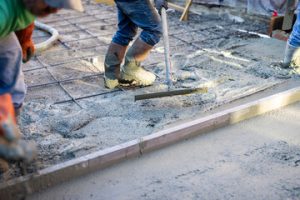

Top Signs Your Driveway Needs Immediate Repair Before Damage Worsens

Your driveway is one of the most frequently used surfaces on your property, yet it’s often one of the most overlooked when it comes to maintenance. Day after day, it supports the weight of vehicles, endures changing weather conditions, and absorbs exposure to moisture, oil, and debris. Over time, even the most durable driveway materials begin to show signs of wear. Ignoring early warning signals can turn minor surface issues into major structural problems that require costly repairs or full replacement.

Understanding the top signs your driveway needs immediate repair can help you take action before damage worsens. Whether your driveway is asphalt or concrete, identifying trouble early not only extends its lifespan but also protects your property value and ensures safety for everyone who uses it. Talking to Driveway Repair Nashville experts can save you time and money.

driveway

1. Visible Cracks Are Starting to Spread

Small cracks are one of the first and most common indicators that your driveway needs attention. At first glance, hairline cracks may seem harmless. However, they rarely remain small. As water seeps into these openings, it weakens the base layer beneath the surface. When temperatures fluctuate, expansion and contraction can widen those cracks significantly.

There are different types of cracks to watch for:

  1. Hairline cracks that appear thin but gradually lengthen
  2. Wider cracks that allow water and debris to collect
  3. Alligator or spiderweb cracking patterns on asphalt surfaces

Cracks are not just cosmetic flaws. They signal that the surface is under stress. Immediate repair prevents moisture intrusion, soil erosion, and further structural breakdown. Sealing or filling cracks early is far less expensive than dealing with extensive damage later.

2. Potholes Are Forming

Potholes are a clear sign that your driveway requires urgent repair. They develop when water penetrates cracks and weakens the foundation beneath the surface. As vehicles pass over these weakened areas, the surface collapses, forming holes that can grow quickly.

Potholes are problematic for several reasons. They create safety hazards for pedestrians and vehicles, cause suspension damage to cars, and accelerate deterioration of surrounding areas. Once a pothole forms, it rarely stays contained. The edges begin to crumble, allowing the hole to expand.

Addressing potholes promptly prevents additional surface breakdown and reduces the risk of costly structural repairs. The longer they remain untreated, the more extensive the repair process becomes.

3. Drainage Problems and Standing Water

Proper drainage is critical to maintaining the integrity of your driveway. If you notice water pooling after rain or snow, it may indicate grading issues, low spots, or underlying structural problems. Standing water weakens the surface and accelerates deterioration.

Moisture that remains on the driveway can lead to:

  1. Surface erosion and softening
  2. Increased risk of cracks during freeze-thaw cycles
  3. Growth of moss or algae, creating slippery conditions

Even small puddles can cause long-term damage. Water infiltration is one of the leading causes of driveway failure. Addressing drainage issues early—whether through leveling, resurfacing, or correcting slope problems—can prevent more serious complications.

4. Uneven or Sunken Areas

If parts of your driveway appear lower than others, you may be dealing with settling or base failure. Soil beneath the driveway can shift over time due to moisture changes, erosion, or poor compaction during installation. When this happens, the surface may sink or become uneven.

Uneven areas are not just an aesthetic concern. They can create tripping hazards, strain vehicles, and worsen drainage issues. Sunken sections also place additional stress on surrounding areas, leading to cracks and surface separation.

Early intervention is crucial. Leveling techniques or targeted repairs can stabilize the affected area and prevent widespread structural damage.

5. Surface Crumbling or Spalling

Spalling occurs when the top layer of concrete begins to flake or chip away. For asphalt, surface raveling may cause small stones to loosen and scatter. Both issues indicate that the driveway’s protective layer is deteriorating.

Common causes of surface deterioration include:

  • Moisture infiltration
  • Use of harsh deicing chemicals
  • Age-related wear
  • Poor sealing maintenance

Crumbling surfaces expose the underlying material to further damage. Once the protective layer is compromised, deterioration can accelerate rapidly. Prompt resurfacing or sealing can restore protection and extend the life of your driveway.

6. Fading and Surface Oxidation

While fading may seem purely cosmetic, it can signal underlying issues—especially for asphalt driveways. Asphalt contains binding agents that degrade over time due to sun exposure. As oxidation occurs, the surface turns gray and becomes brittle.

A brittle surface is more prone to cracking and breaking under pressure. If you notice significant color fading, it may be time to reseal the driveway. Sealcoating restores protective properties and slows further oxidation.

Concrete surfaces may also discolor due to stains, weather exposure, or chemical reactions. Although not always structural, visible surface changes often accompany deeper wear.

7. Expanding Expansion Joints

Expansion joints are designed to allow movement as temperatures fluctuate. However, if these joints become damaged, clogged, or separated, they can no longer function properly. When expansion joints fail, pressure builds within the driveway slab, increasing the risk of cracking.

Inspect joints for signs of:

  1. Missing filler material
  2. Gaps widening between slabs
  3. Debris accumulation preventing movement

Maintaining expansion joints helps prevent stress fractures and preserves structural stability.

8. Increased Maintenance Frequency

If you find yourself repairing the same areas repeatedly, it may indicate deeper structural issues. Constant patching of cracks or potholes suggests that the underlying base is failing.

Frequent repairs often point to:

  • Inadequate drainage
  • Poor soil support
  • Aging materials nearing the end of their lifespan

While minor fixes can extend surface life temporarily, ongoing deterioration requires a more comprehensive solution. Addressing root causes rather than surface symptoms prevents recurring damage.

9. Edges Are Breaking Down

The edges of a driveway are particularly vulnerable because they often lack lateral support. Over time, you may notice crumbling, cracking, or separation along the sides. Edge damage can gradually spread inward if left untreated.

Vehicles driving too close to unsupported edges can accelerate deterioration. Reinforcing edges or repairing early damage prevents larger structural failures.

10. Safety Hazards Are Increasing

Safety should never be overlooked when evaluating driveway condition. Uneven slabs, deep cracks, potholes, and slippery surfaces create risks for both pedestrians and vehicles. If family members or visitors begin to trip or stumble, it’s a clear signal that repairs are needed immediately.

Driveway damage can also affect vehicle alignment and suspension systems. Addressing safety hazards promptly not only protects your property but also reduces liability concerns.

Why Immediate Repairs Matter

Delaying driveway repairs allows minor issues to escalate into costly problems. Water infiltration, soil erosion, and structural weakening compound over time. What begins as a small crack can eventually require partial reconstruction or full replacement.

Taking action early offers several benefits:

  1. Lower overall repair costs
  2. Extended lifespan of the driveway
  3. Improved curb appeal and property value
  4. Enhanced safety and functionality

Preventative maintenance is always more affordable than major reconstruction. Regular inspections help identify warning signs before they worsen.

How to Stay Proactive

Maintaining your driveway doesn’t require constant attention, but consistency matters. Scheduling seasonal inspections—especially after harsh weather—can help catch small problems early. Cleaning debris, sealing surfaces, and repairing cracks promptly contribute to long-term durability.

If you notice multiple warning signs appearing at once, it may be time to consult a professional. A thorough assessment can determine whether targeted repairs, resurfacing, or more extensive restoration is necessary.

Final Thoughts

Your driveway endures daily wear and environmental stress, making deterioration inevitable over time. However, recognizing the top signs your driveway needs immediate repair allows you to act before minor issues turn into major expenses. From spreading cracks and potholes to drainage problems and surface crumbling, these warning signals should never be ignored.

By addressing damage early, maintaining proper drainage, and committing to routine upkeep, you can protect your driveway investment for years to come. A well-maintained driveway not only enhances curb appeal but also ensures safety, reliability, and long-term performance. Acting promptly when problems arise is the smartest way to prevent damage from worsening and to preserve the integrity of your property.

Rodent Removal Strategies That Protect Your Property and Prevent Future Infestations

Rodent problems are more than a simple inconvenience. They can quickly affect comfort, sanitation, and even the structural integrity of a property. Many people assume that seeing one rodent is a minor issue, but in reality, rodents rarely travel alone. Hidden nests, constant breeding cycles, and their ability to squeeze through extremely small openings make them one of the most persistent pest challenges. Modern Rodent Removal Texas focuses not only on eliminating active infestations but also on creating long-term protection that keeps properties safe and secure.

Unlike temporary solutions that address only what is visible, effective rodent removal begins with understanding how these pests behave. Rodents are highly adaptable creatures that look for warmth, food, and shelter. They are excellent climbers and can enter through cracks, vents, and gaps that may seem insignificant. Once inside, they often remain hidden in walls, ceilings, or storage areas, causing damage long before property owners realize what is happening. This is why professional rodent removal strategies emphasize inspection and prevention as much as removal itself.

rodent removal

One of the most overlooked aspects of rodent control is early detection. Many infestations begin quietly, with subtle signs that are easy to ignore. Scratching noises behind walls, small droppings near storage spaces, or damaged packaging in kitchens may seem minor at first, but they often signal a growing problem. Addressing these signs early helps prevent more serious issues such as contaminated surfaces, electrical hazards, or structural deterioration caused by gnawing and nesting.

Rodents can have a significant impact on the condition of a property. Their constant chewing is not just a nuisance—it is a survival instinct that allows them to keep their teeth from growing too long. Unfortunately, this behavior can damage wood, insulation, wiring, and other essential materials. Over time, these hidden damages can lead to costly repairs. By investing in proper rodent removal services, property owners reduce the risk of long-term structural problems and maintain a healthier indoor environment.

A successful rodent removal plan usually follows a comprehensive process that targets both the infestation and the conditions that allow rodents to thrive. Instead of relying solely on traps or quick fixes, modern pest management focuses on a multi-step approach. This strategy often includes:

  1. Thorough inspections to identify entry points, nesting areas, and food sources.
  2. Targeted removal methods that address the current infestation safely and effectively.
  3. Exclusion techniques such as sealing gaps, repairing damage, and reinforcing vulnerable areas.
  4. Ongoing monitoring to ensure that rodents do not return after treatment.

These steps create a foundation for lasting protection, ensuring that the problem does not reappear once the initial infestation is resolved.

Another important factor in rodent removal is sanitation. Rodents are attracted to environments where food and water are easily accessible. Even small crumbs, open containers, or cluttered storage spaces can encourage them to stay. Maintaining cleanliness does not eliminate rodents on its own, but it plays a vital role in reducing the conditions that support their presence. Regular cleaning routines, proper waste management, and organized storage areas help create a space that is far less appealing to pests.

Outdoor maintenance also plays a significant role in rodent prevention. Overgrown vegetation, wood piles, and unsealed outdoor structures often provide shelter that allows rodents to move closer to buildings. Once they establish a safe outdoor environment, it becomes much easier for them to find ways inside. Property owners who focus on trimming landscaping, improving drainage, and reducing clutter around foundations often experience fewer infestations. These small adjustments create a protective barrier that limits access to indoor spaces.

One of the reasons rodent removal requires professional expertise is the complexity of rodent behavior. These pests are cautious and often avoid unfamiliar objects, making simple do-it-yourself solutions less effective over time. Professional approaches rely on strategic placement, proper identification of species, and a deeper understanding of movement patterns. This knowledge ensures that removal methods are both humane and effective, addressing the problem without unnecessary risks.

Another key advantage of professional rodent removal is the focus on long-term prevention rather than temporary relief. Instead of treating the symptoms of an infestation, professionals aim to eliminate the conditions that allow rodents to survive. This includes identifying structural weaknesses, improving ventilation, and addressing moisture issues that may attract pests. By combining removal with preventive strategies, property owners gain peace of mind knowing that their space is protected against future invasions.

Several warning signs indicate rodent removal should be addressed immediately:

  1. Unusual scratching or movement sounds, particularly at night when rodents are most active.
  2. Gnaw marks on wood, wires, or stored items, suggesting ongoing nesting activity.
  3. Strong, musty odors that may come from hidden nesting areas or waste buildup.
  4. Frequent sightings near kitchens or storage spaces, which can signal a growing population.

Ignoring these signs allows infestations to expand, making removal more complicated and increasing the risk of damage. Early intervention is always the most effective solution.

Another benefit of modern rodent removal services is the integration of eco-conscious methods. Many property owners are concerned about using harsh chemicals or treatments that may affect pets and the environment. Today’s approaches often prioritize low-impact solutions, focusing on exclusion, sanitation, and targeted techniques rather than widespread treatments. This balanced strategy supports both effective pest management and environmental responsibility.

Education plays an essential role in preventing future infestations. Understanding how rodents enter a property and what attracts them allows property owners to make informed decisions about maintenance. Simple habits such as storing food in sealed containers, repairing leaks promptly, and inspecting exterior walls for gaps can significantly reduce the likelihood of rodent activity. These preventive actions complement professional removal services, creating a stronger defense against recurring problems.

Another aspect of rodent removal that is often overlooked is the importance of regular inspections. Even after an infestation has been resolved, periodic checks help ensure that new vulnerabilities do not develop over time. Buildings naturally shift and age, creating new openings that rodents can exploit. Routine inspections allow property owners to address these issues before they become serious concerns, maintaining consistent protection year-round.

Rodent removal also contributes to improved indoor air quality and overall comfort. Nesting materials, droppings, and hidden waste can affect the cleanliness of a space, especially in enclosed areas. Removing these contaminants helps create a healthier environment where occupants feel more at ease. The sense of relief that comes from knowing a property is pest-free often goes beyond physical comfort, providing greater peace of mind for those who live or work there.

In addition to health and safety benefits, effective rodent removal can protect the long-term value of a property. Structural damage, insulation deterioration, and electrical issues caused by rodents can lower property appeal and lead to expensive repairs. By addressing infestations promptly and maintaining preventive measures, property owners safeguard their investment and avoid unexpected costs down the line.

Ultimately, rodent removal is not just about eliminating pests—it is about creating a balanced and secure environment that discourages future infestations. Modern strategies combine inspection, removal, prevention, and education to deliver lasting results. Instead of relying on short-term fixes, property owners benefit from a comprehensive approach that addresses both the visible problem and the hidden causes behind it.

As pest management continues to evolve, rodent removal services are becoming more strategic, efficient, and environmentally responsible. By focusing on long-term solutions, property owners can maintain clean, safe, and comfortable spaces without constant worry about recurring infestations. Through consistent maintenance, proactive prevention, and professional expertise, it is possible to keep rodents under control and protect the integrity of any property for years to come.

Navigation